How to feel like sunshine
How to feel like sunshine is my second children’s book. It is a wonderful tool for children to learn how to brighten their days and overcome tough times. With its fun and engaging story, it helps young readers develop positive coping skills and build resilience. So if you’re looking for a way to boost your child’s mood and self-esteem, give them the gift of “How to Feel Like Sunshine”!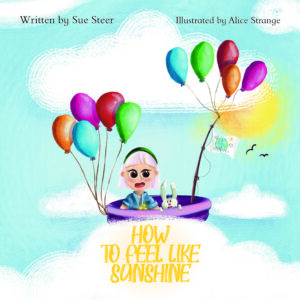
Self-care is essential for children’s mental health as it helps them build resilience and cope with the challenges they may face. Teaching children self-care practices such as getting enough sleep, eating well, exercising and doing things that may them feel like sunshine can have a positive impact on their emotional well-being. When children learn to take care of themselves, they develop a sense of control over their lives and build self-esteem.
Additionally, self-care can help children manage stress and anxiety more effectively. By encouraging children to engage in activities that bring them joy and relaxation, such as hobbies, having family time, spending time outdoors, or talking to a trusted adult, they can learn healthy ways to deal with negative emotions. Teaching children self-care also promotes self-awareness and emotional intelligence, helping them recognise and express their feelings in a healthy manner.
Here are some things you can do to feel happier and more positive:
🌈 Find something you enjoy doing, like drawing, dancing, or playing a game.
🌈 Spend time with people who make you feel like sunshine, like your family, friends, or pets.
🌈 Get outside and enjoy nature, even if it’s just a walk around the block or a few minutes in the backyard.
🌈 Practice gratitude by thinking of things you’re thankful for, like your health, your home, or your favorite toy.
🌈 Be kind to yourself by taking care of your body and your mind, like getting enough sleep, eating healthy foods, and being gentle with your thoughts.
🌈 Be kind to your brain bully and listen to your brain bestie- advice from Bea’s Busy Brain Book)
Why reading to children important?
Well not only does reading help build strong bonds between adults and children, but it also plays a key role in children’s cognitive development.
When children are read to, they develop important language and literacy skills. They become familiar with the sounds and rhythms of language, and they learn new words and concepts that they may not have encountered otherwise. This exposure to language and vocabulary can help set children up for success in school and beyond.
Additionally, reading to children can help foster a love of learning and a curiosity about the world around them. It can open up new worlds and ideas, and encourage children to ask questions and seek out more information. So, whether it’s a bedtime story or a midday break, taking the time to read to children is a valuable investment in their future.
In conclusion, prioritising self-care for children is crucial for promoting their mental health and overall well-being. By instilling self-care habits early on, children can develop the skills they need to navigate life’s challenges with resilience and maintain a positive outlook on their mental health.
Love Sue x
No Comments Yet